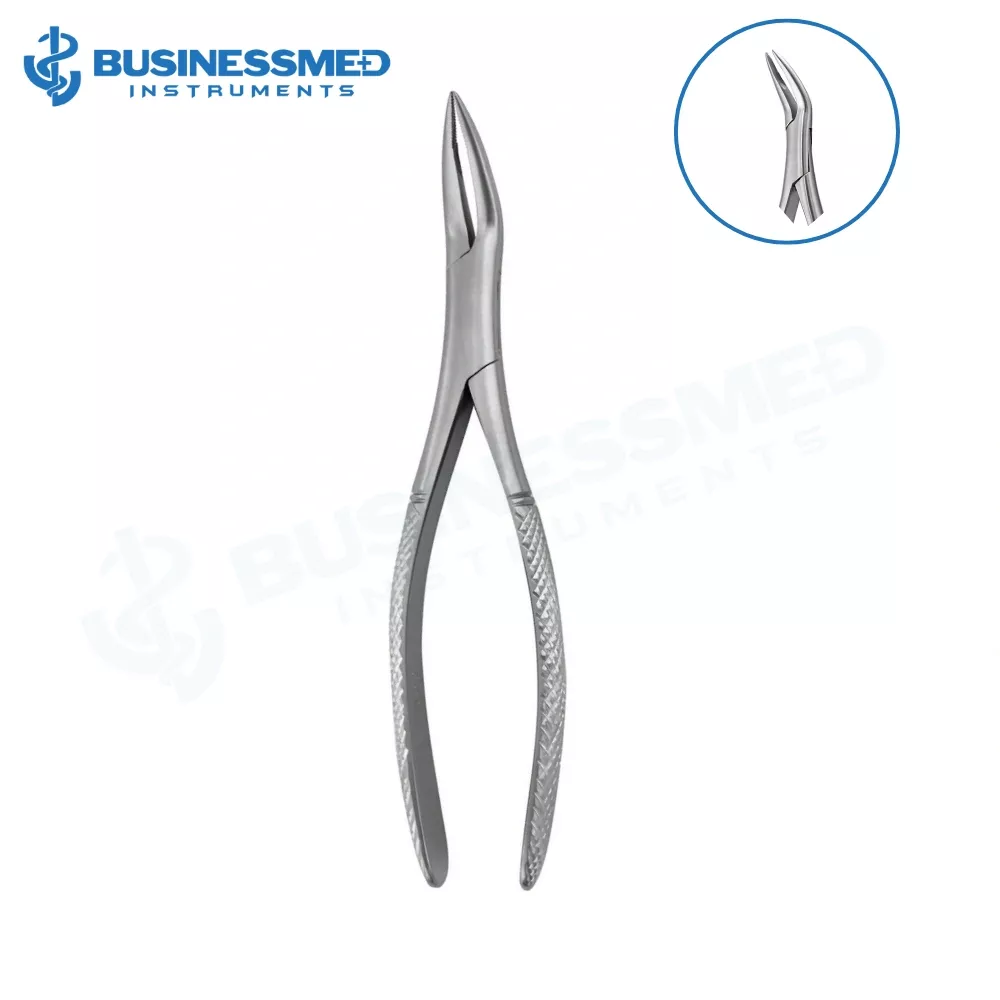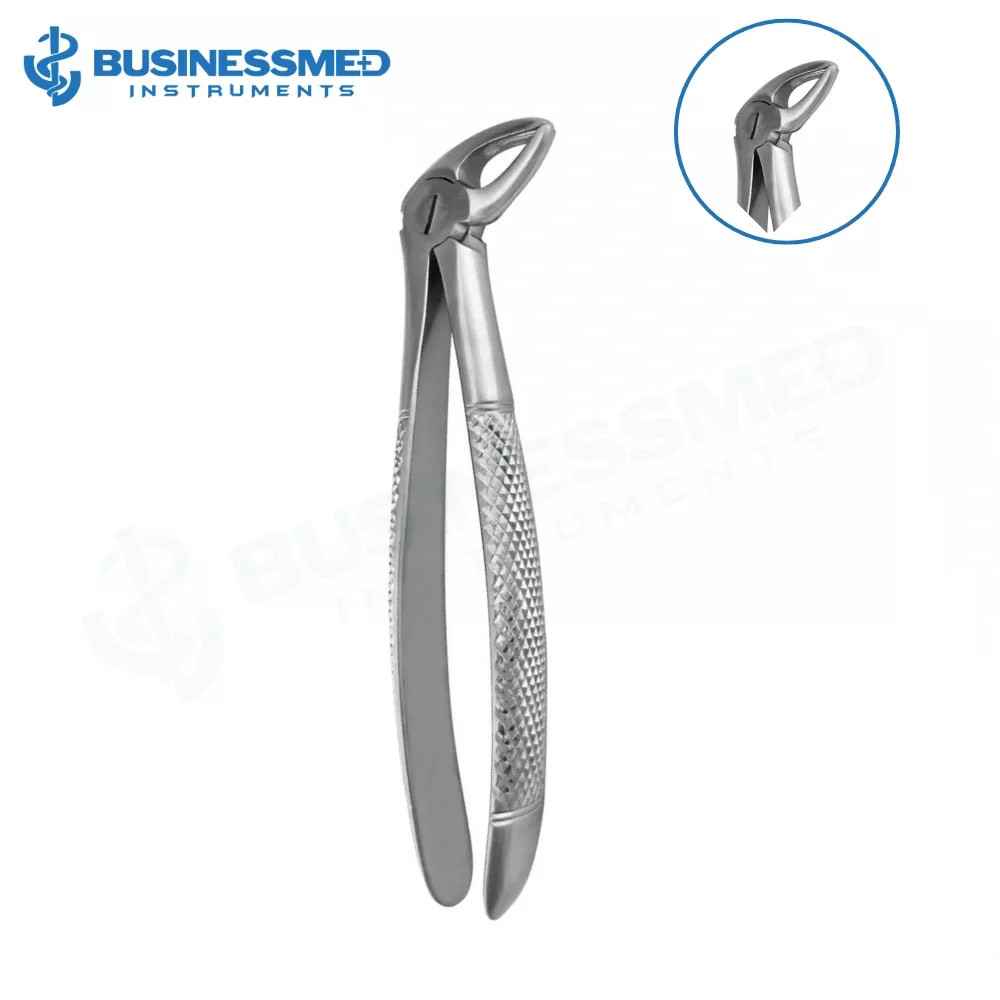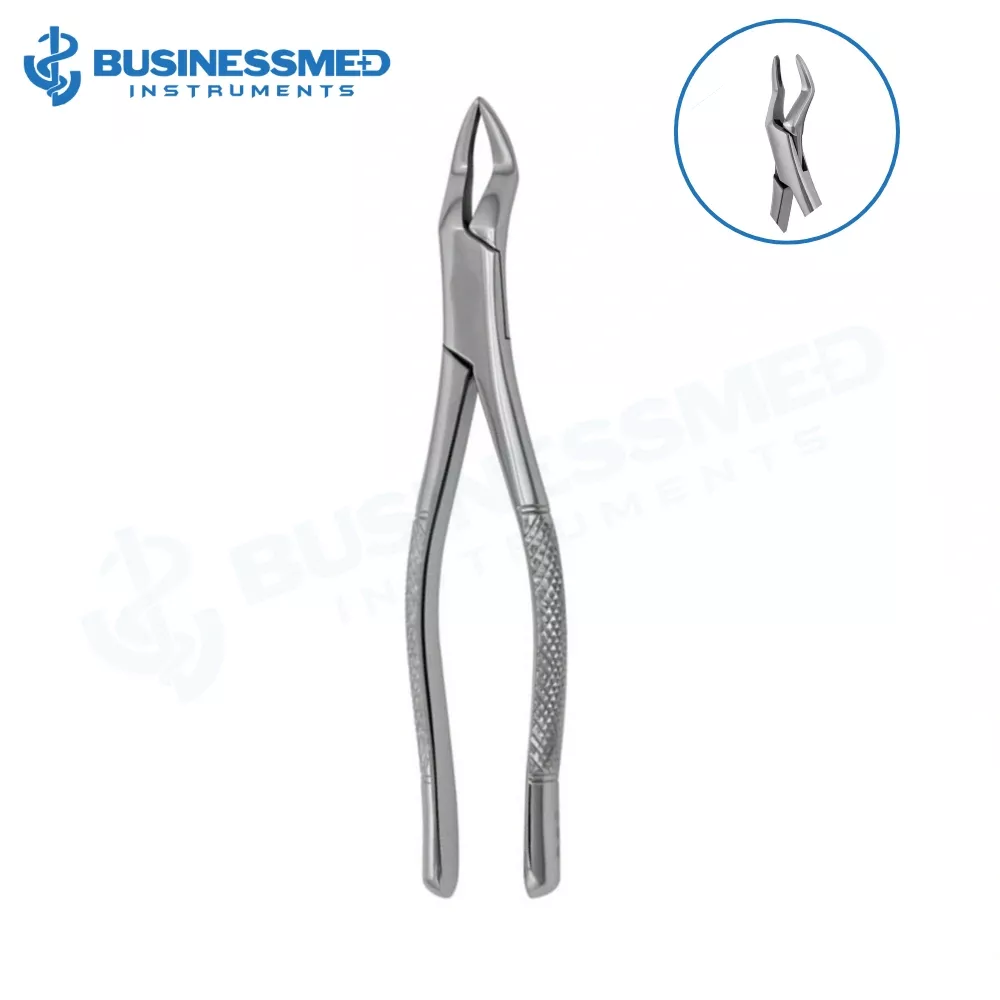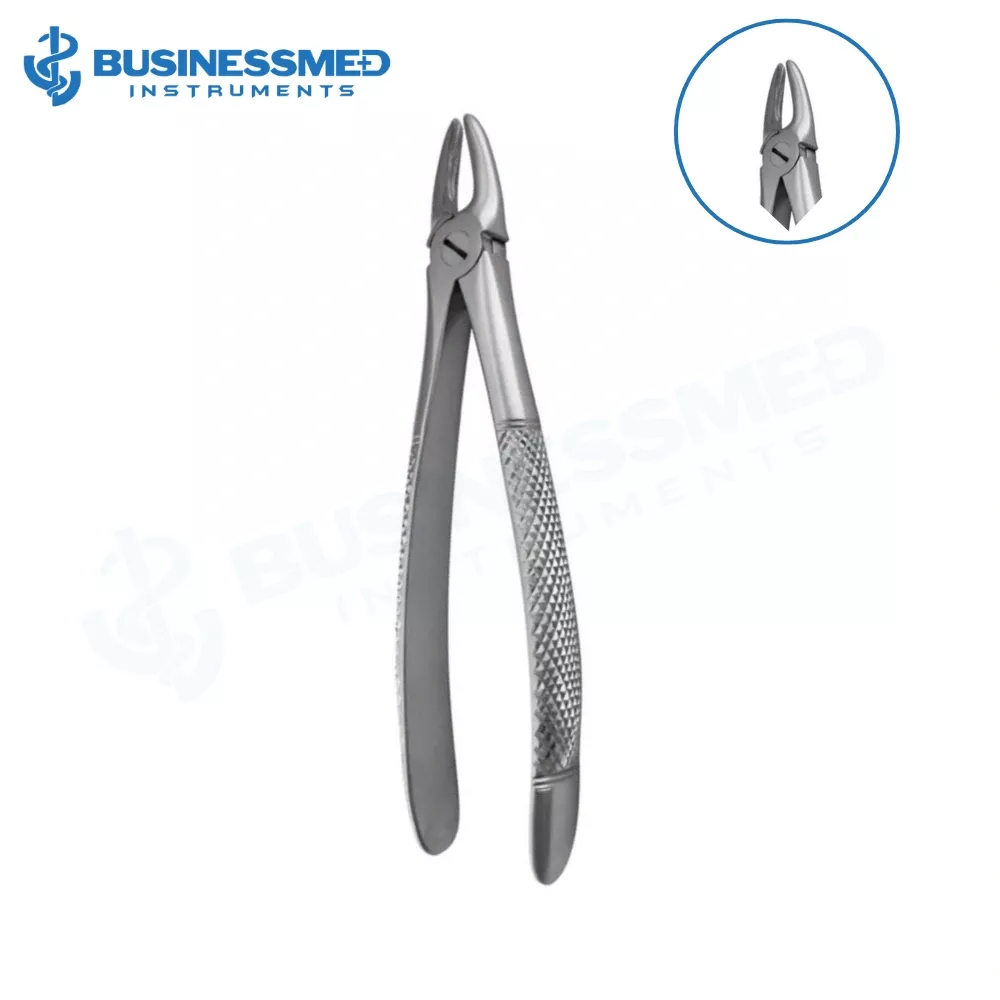
Crile-Rankin Hemostatic Forceps – Precision Surgical Clamping Instrument
Versatile Hemostatic Control Instrument
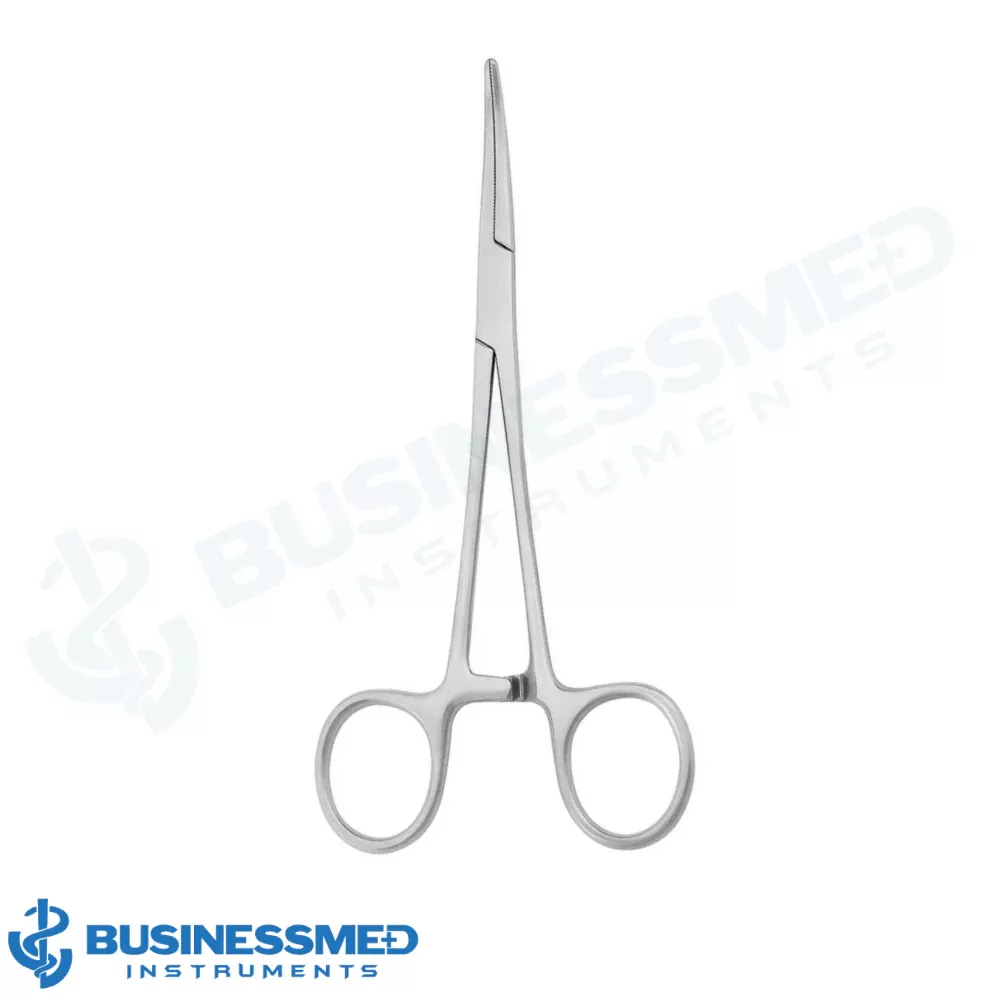
The Crile-Rankin Hemostatic Forceps by BusinessMed Instruments are designed for precise clamping, gripping, and material handling in dental and surgical procedures. Engineered for reliable performance, these forceps provide secure control when managing small vessels, tissues, and clinical materials.
Precision & Durability
Manufactured from high-quality German stainless steel, the instrument ensures excellent strength, corrosion resistance, and long-term clinical durability. The parallel serrations extending along the full length of the tip deliver a firm, atraumatic grip, while the ratchet locking mechanism enables stable and controlled clamping.
Key Features
Instrument Highlights
-
Multipurpose hemostatic clamping forceps
-
6.25 inches precision-balanced length
-
Parallel serrations along full tip length
-
Ratchet locking mechanism for controlled clamping
-
German stainless steel construction
-
Corrosion-resistant and autoclavable
-
Designed for accurate surgical handling
Advantages
Clinical Benefits
-
Provides secure grip on tissues and materials
-
Enables reliable clamping of small vessels
-
Supports controlled retrieval of small objects or root tips
-
Durable design for repeated sterilization
-
Stable locking mechanism for procedural safety
Applications
Clinical Indications
-
Clamping small vessels during procedures
-
Handling and maneuvering dental materials
-
Retrieval of loose objects or root fragments
-
General dental and surgical use
-
Tissue management and procedural control
Product Specifications
General Information
-
Product Name: Crile-Rankin Hemostatic Forceps
-
Material: German Stainless Steel
-
Finish: Precision Polished
-
Length: 6.25 inches
-
Sterilization: Autoclavable
-
Category: Surgical / Hemostatic Forceps
FAQs
Q1: What material are the forceps made of?
The forceps are manufactured from high-quality German stainless steel for durability and corrosion resistance.
Q2: What is the purpose of the ratchet lock?
The ratchet locking mechanism allows controlled clamping and stable instrument positioning during procedures.
Q3: Are these forceps suitable for sterilization?
Yes. The instrument is fully autoclavable and designed for repeated sterilization cycles.
Q4: How do the serrations improve performance?
Parallel serrations along the full tip length ensure a firm, atraumatic grip on tissues and materials.
Q5: What procedures commonly use Crile-Rankin Forceps?
They are widely used for vessel clamping, tissue handling, material control, and retrieval tasks.
Shipping & Delivery